
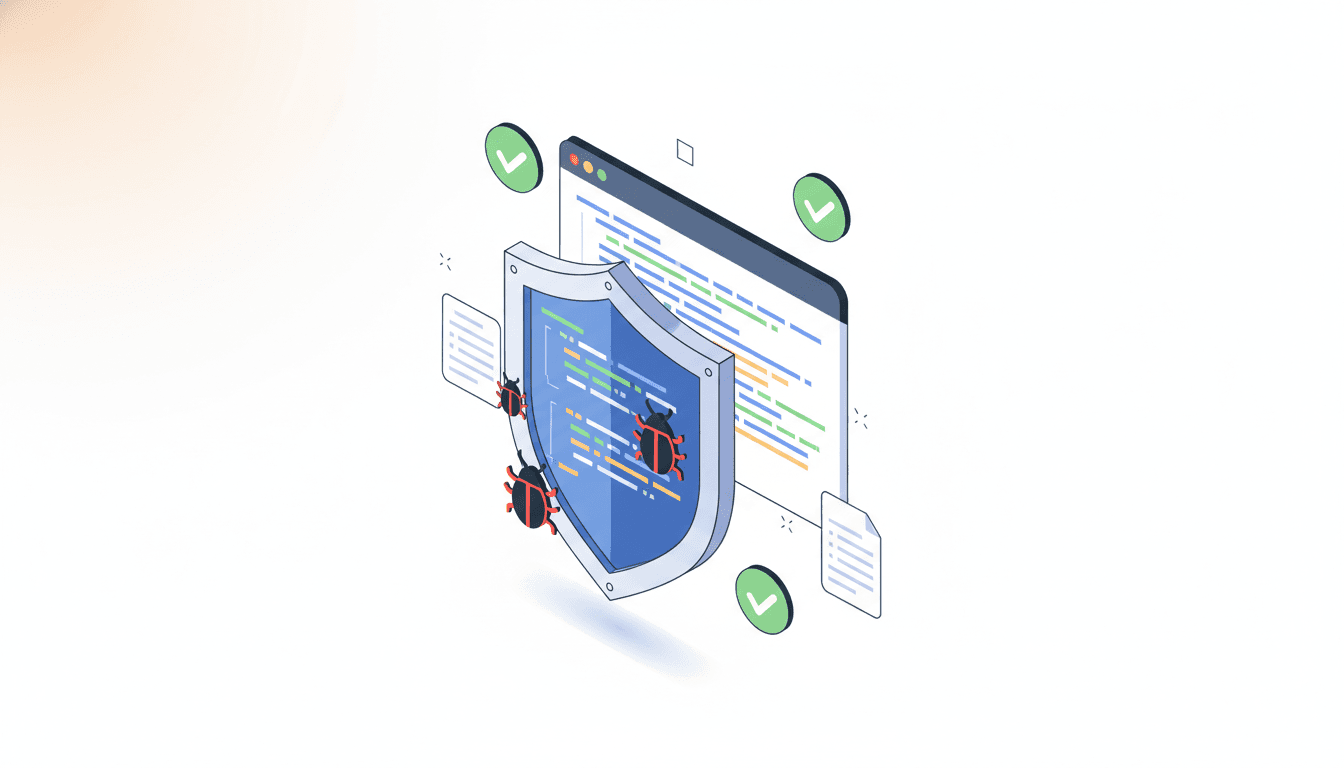
5 Ways to Prevent Bugs in Your Vibe Coded Apps
Learn proven strategies to prevent bugs in AI-generated code. From clear PRDs to test-driven development, discover how to maintain quality in vibe coding projects.
Introduction
Vibe coding with AI has transformed how we build software. You describe what you want, and AI generates the code in minutes. It's fast, it's exciting, and it feels like magic. But here's the reality check: speed without quality leads to chaos.
You build a feature in 30 minutes, only to spend hours debugging because the AI didn't understand the context. Or worse, bugs appear weeks later when users start interacting with features in ways you didn't anticipate. The problem isn't AI—it's the lack of structure and documentation that AI needs to generate quality code.
In this article, we'll explore five proven strategies to prevent bugs in your vibe-coded applications. These aren't just theoretical tips—they're battle-tested approaches that help you maintain code quality while keeping the speed that makes vibe coding so attractive.
1. Provide Clear Context with a Comprehensive PRD
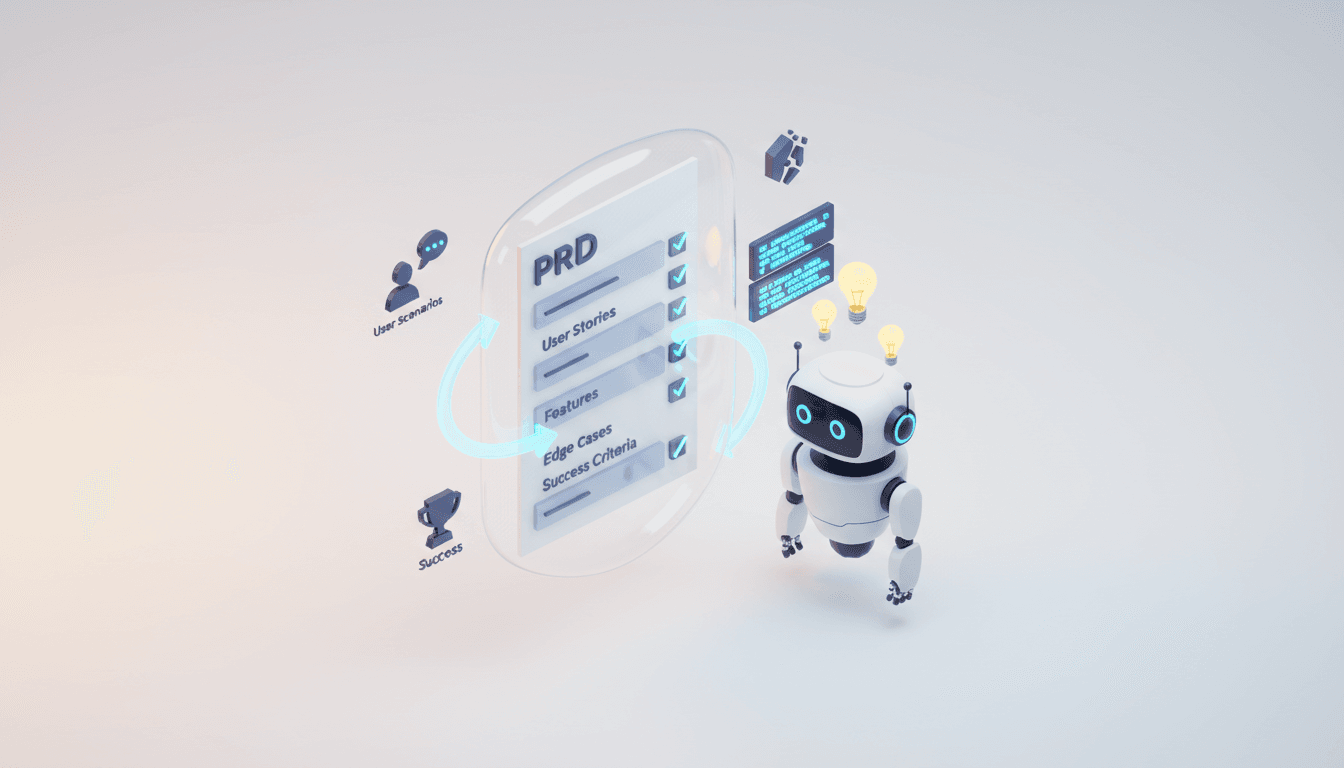
AI is only as good as the context you provide. When you ask AI to build a feature without a clear Product Requirements Document (PRD), you're essentially asking it to read your mind. The result? Code that works for the happy path but breaks in edge cases.
A comprehensive PRD should include:
- Clear objectives: What problem does this feature solve?
- User scenarios: How will users interact with this feature?
- Edge cases: What happens when things go wrong?
- Success criteria: How do you measure if this feature works correctly?
When AI has access to a detailed PRD, it can make better decisions about error handling, validation, and user experience. It knows not just what to build, but why and how it should behave in different situations.
Example: Instead of saying "Build a login form," your PRD should specify: "Build a login form that validates email format, handles incorrect password attempts (max 3 tries), shows clear error messages, supports forgot password flow, and maintains session for 7 days."
With Vooster AI, you don't have to write PRDs from scratch. The AI Product Manager agent guides you through a conversation and automatically generates a comprehensive PRD that covers all essential aspects of your project.
2. Maintain Coding Guidelines for Consistency
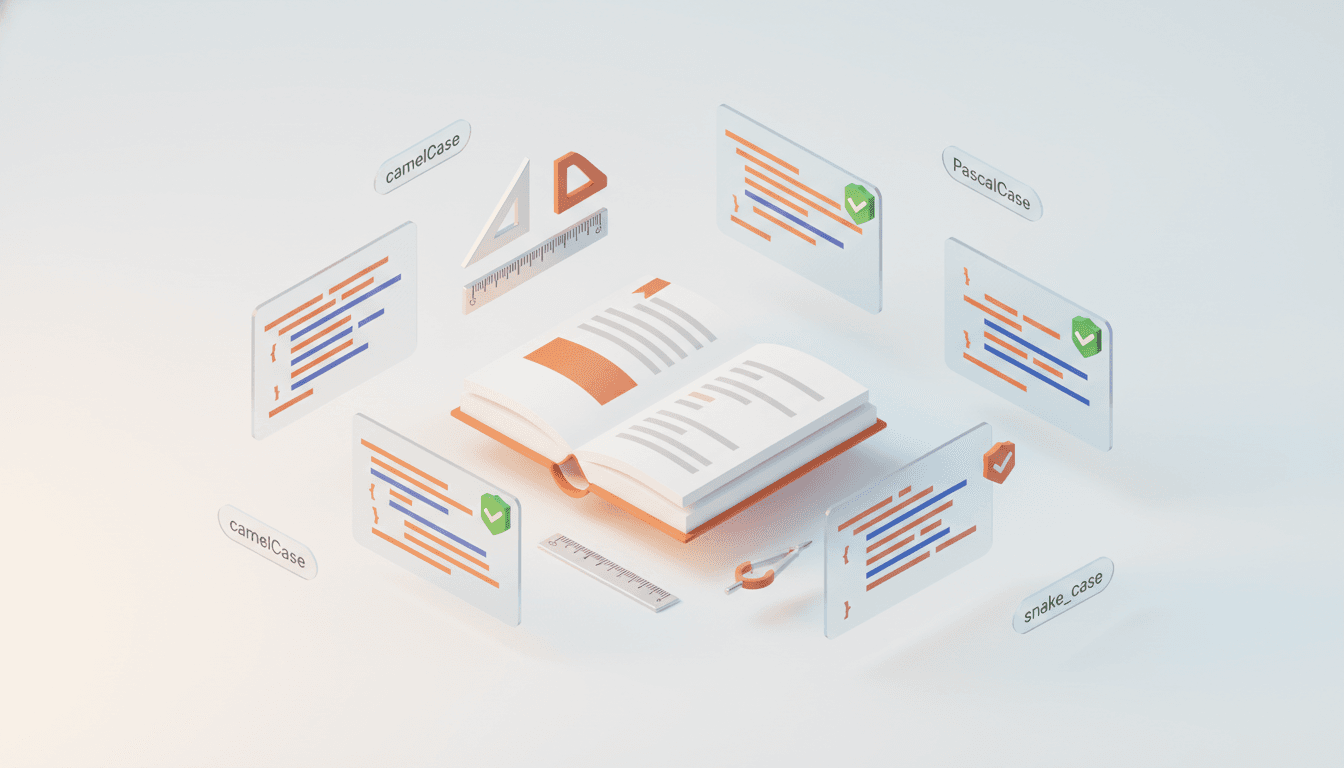
Inconsistent code is a breeding ground for bugs. When AI generates code without clear guidelines, you'll get different patterns for similar problems—one component uses async/await, another uses promises; one validates on the client, another on the server.
Code guidelines establish rules that AI must follow:
- Naming conventions: How should variables, functions, and components be named?
- Error handling patterns: How should errors be caught and displayed?
- State management: Where should state live and how should it be updated?
- API conventions: How should data be fetched and cached?
- Security practices: What security measures must be implemented?
The beauty of AI coding is that once you define these guidelines, AI follows them consistently—often better than human developers who might forget or take shortcuts under pressure.
Pro tip: Your code guidelines should be project-specific. A Next.js project with Supabase needs different guidelines than a React project with REST APIs. Tailor your guidelines to your stack and architecture.
Vooster AI automatically generates code guidelines based on your chosen template and tech stack. Whether you're using EasyNext or FullSaaS template, you get guidelines that match your project's architecture from day one.
3. Break Down Tasks into Small, Manageable Units
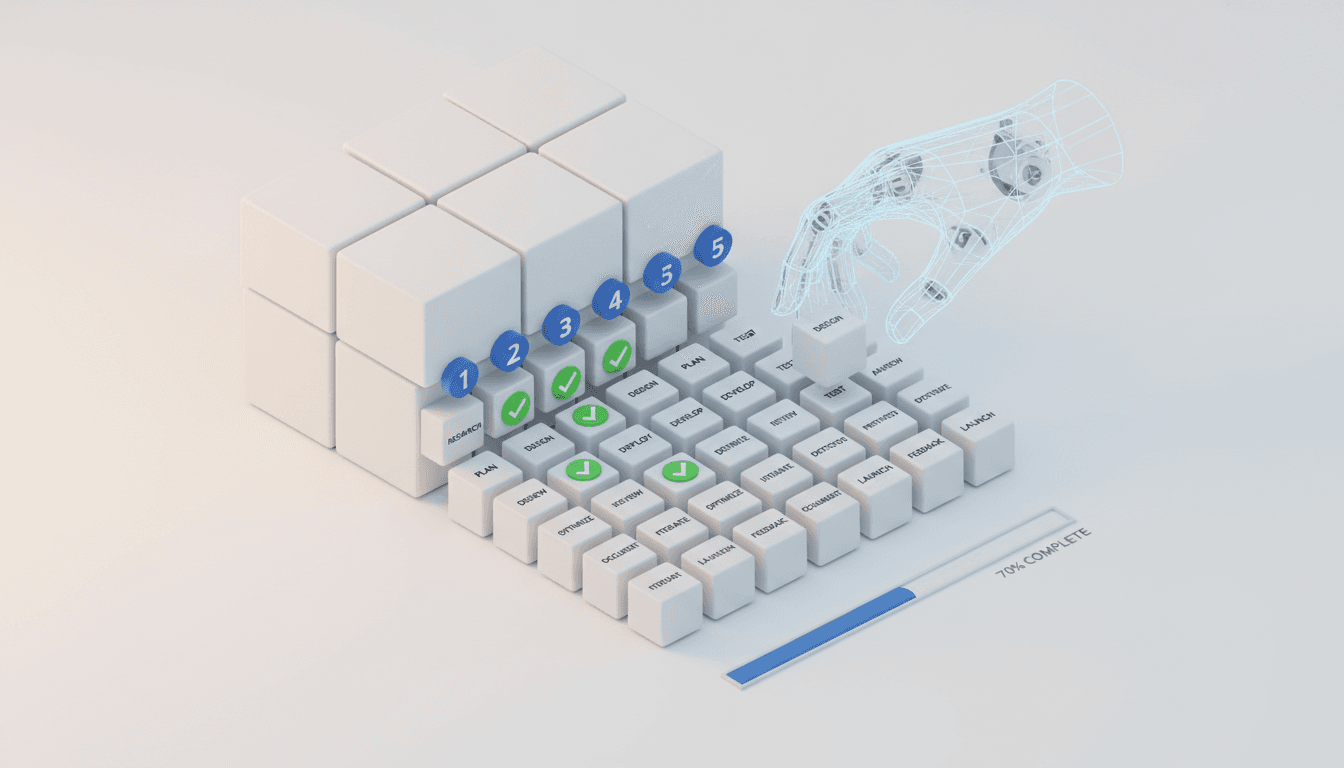
One of the biggest mistakes in vibe coding is asking AI to build too much at once. "Build the entire user dashboard" is a recipe for bugs. The larger the task, the more likely AI will miss important details, create inconsistencies, or generate code that's hard to test and debug.
Instead, break large features into atomic tasks:
- Vertical slicing: Each task should deliver a complete slice of functionality
- Single responsibility: One task, one clear goal
- Testable units: Each task should produce code that can be tested independently
- Progressive enhancement: Start with basic functionality, then add complexity
Example breakdown for a user dashboard:
- Create dashboard layout and navigation
- Implement user profile data fetching
- Add profile edit form with validation
- Build notification preferences section
- Add activity history timeline
Each task is small enough that AI can handle it well, and you can test each piece before moving to the next. This approach makes bugs easier to catch early when they're cheaper to fix.
Vooster AI excels at task decomposition. The system automatically breaks down your PRD into prioritized, well-scoped tasks. You can further decompose tasks into subtasks, creating a clear roadmap that AI coding agents can follow step by step.
4. Apply Test-Driven Development Principles
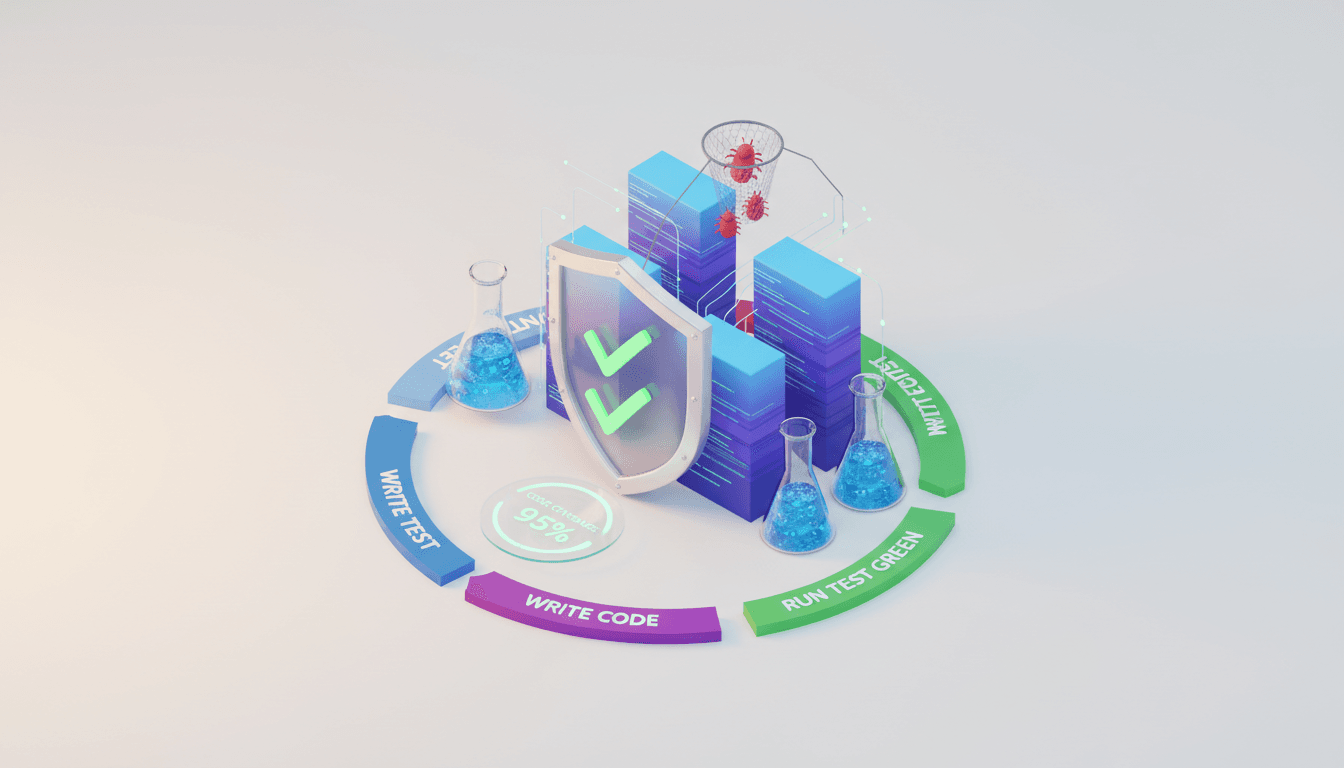
Testing might feel like it slows you down, but in vibe coding, it's your safety net. Test-Driven Development (TDD) ensures that AI-generated code meets your requirements and continues to work as you add new features.
Here's how to apply TDD in vibe coding:
- Write test cases first: Before asking AI to build a feature, define the test cases
- Share tests with AI: Include test requirements in your prompts
- Run tests immediately: Verify AI-generated code passes all tests
- Maintain test coverage: Every new feature should have corresponding tests
AI is actually excellent at writing tests when you tell it to. You can ask AI to generate unit tests, integration tests, and even end-to-end tests. The key is making testing a standard part of your vibe coding workflow, not an afterthought.
Testing checklist for vibe coding:
- Unit tests for business logic
- Integration tests for API endpoints
- Component tests for UI interactions
- Error case coverage
- Edge case validation
Vooster AI supports TDD through its Rules system. You can apply the "TDD" rule to your project, which ensures all AI agents follow test-driven development practices. Every task can include test requirements, and AI will generate both implementation and tests together.
5. Use Iterative Refinement Through AI Conversations
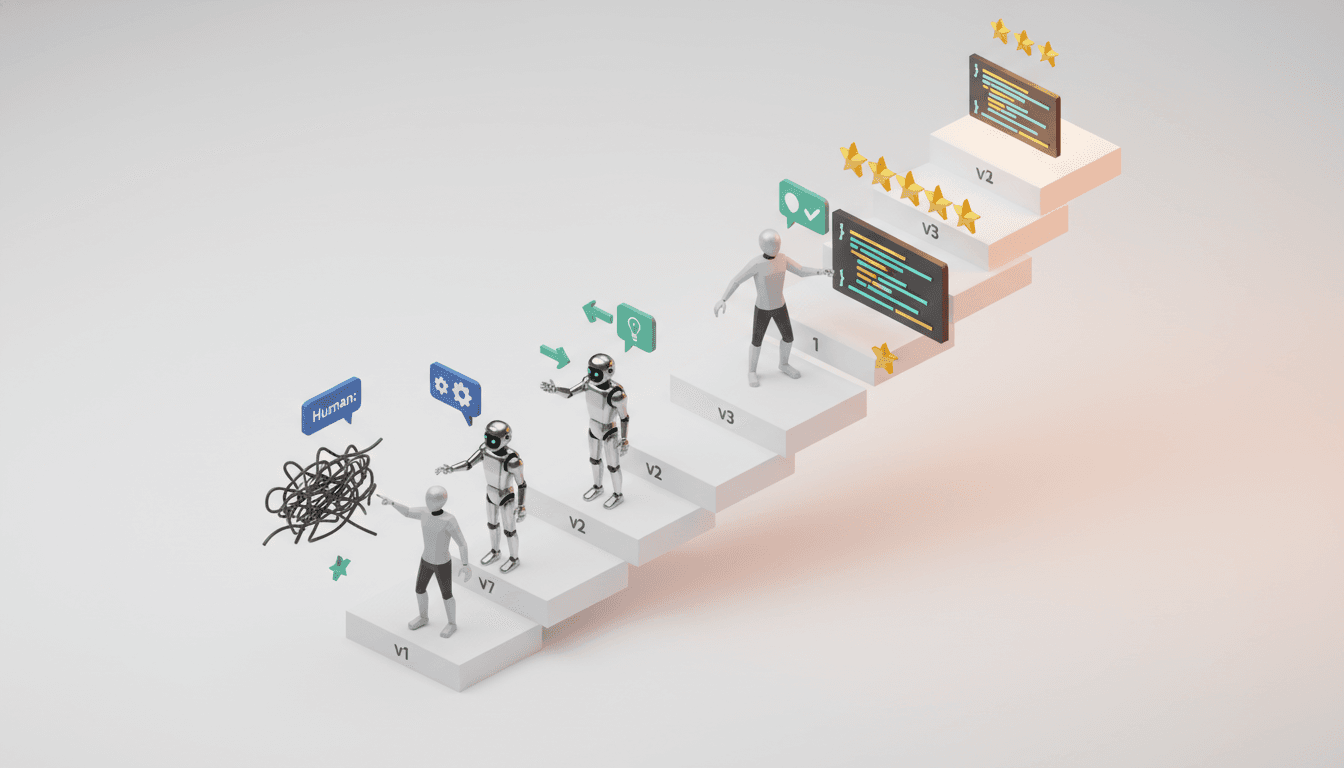
Perfect code rarely comes from the first prompt. The secret to bug-free vibe coding is iterative refinement—you start with working code, then progressively improve it through focused conversations with AI.
The refinement process:
- Initial implementation: Get working code quickly
- Review and identify issues: Test and find gaps or bugs
- Specific improvements: Ask AI to fix specific issues one at a time
- Code review conversation: Discuss code quality, potential bugs, edge cases
- Security review: Ask AI to identify security vulnerabilities
- Performance optimization: Refine for better performance
This iterative approach works because you're giving AI focused context. Instead of "make this better," you're saying "this function doesn't handle null values correctly" or "add loading states to this component."
Example refinement conversation:
- "The login function works, but add better error messages for different failure scenarios"
- "Add loading state to prevent double submission"
- "What security issues do you see in this authentication code?"
- "Optimize this function to reduce API calls"
Each iteration makes your code more robust without requiring you to rewrite everything from scratch.
With Vooster AI, you have dedicated AI chat sessions for each document type (PRD, TRD, Code Guidelines, etc.). You can have ongoing conversations to refine requirements, ask questions, and ensure everyone—human and AI—understands the project context fully.
Conclusion
Vibe coding is powerful, but power without discipline leads to buggy, unmaintainable code. The five strategies we've covered transform vibe coding from a rapid prototyping tool into a production-grade development approach:
- Clear PRDs give AI the context it needs to make smart decisions
- Code guidelines ensure consistency across your entire codebase
- Small tasks make complex features manageable and testable
- TDD principles catch bugs before they reach users
- Iterative refinement progressively improves code quality
The best part? These strategies don't slow you down—they actually accelerate development by reducing debugging time and preventing major refactors.
Vooster AI is built specifically to support this structured approach to vibe coding. From automatic PRD generation to task decomposition, from code guidelines to TDD rules, from MCP integration with Claude Code and Cursor to ongoing AI conversations—every feature is designed to help you build faster without sacrificing quality.
Don't let preventable bugs undermine your vibe coding productivity. Start your systematic vibe coding journey with Vooster AI today!
Start Structured Vibe Coding with Vooster
From PRD generation to technical design and task creation - AI helps you every step. Start free today.
PRD Generation
Auto-generate detailed requirements
Technical Design
Implementation plan & architecture
Task Generation
Auto-break down & manage dev tasks
No credit card required · Full access to all features
Related Posts
Y Combinator Startups Generated 95% Code with AI – Why Do They Still Fail?
Discover why AI-generated code projects fail despite vibe coding revolution. Learn how systematic documentation becomes crucial for AI coding success.
AI Coding Tools: Complete Beginner's Guide to Building Your First App
Step-by-step guide to building a complete app with AI coding tools like Claude Code and Cursor. Perfect for beginners wanting to start their first project.
5 Steps to Launch Your SaaS with Vibe Coding
Learn the proven 5-step framework to build and launch your SaaS product using vibe coding. From idea validation to deployment, master every essential phase.