

5 Advanced Vibe Coding Tips Every Developer Should Know
Master AI-powered development with these 5 essential vibe coding techniques. Learn how to write better plans, optimize context usage, and maximize AI potential.
Coding Evolves in the AI Era
As AI models like Claude, GPT, and Gemini continue to advance, the potential of vibe coding grows with them. We're in an era where you can convey your intent in natural language and AI writes the code. But simply throwing prompts at AI won't guarantee perfect results.
Effective vibe coding requires systematic techniques. Without strategies to maximize AI's strengths and compensate for its weaknesses, your project can quickly fall apart.
In this article, we'll introduce 5 essential vibe coding tips you can apply immediately. Master these techniques to dramatically improve your collaboration with AI coding agents.
1. Always Write a Detailed Plan Document First
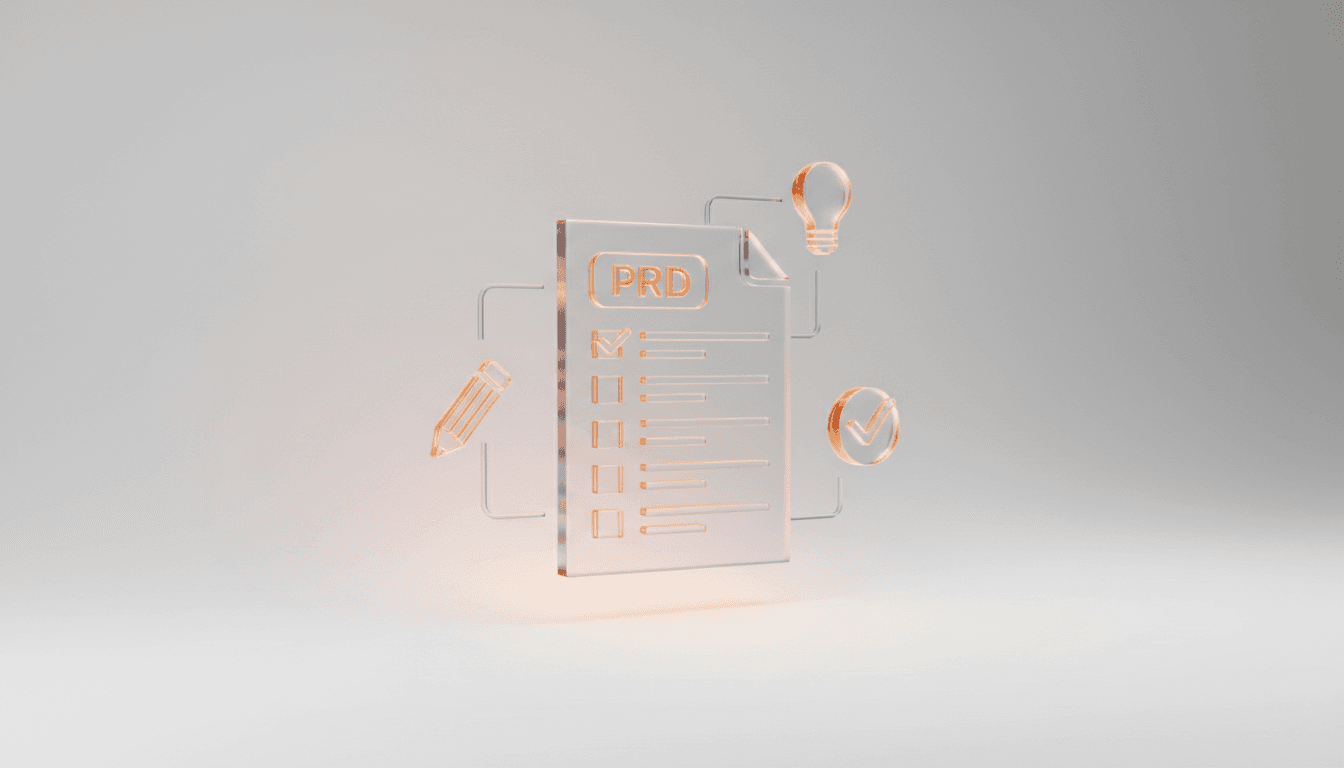
The most common mistake in vibe coding is starting to code without a plan. If you just say "build this feature," AI might head in a completely different direction than you intended.
Why is Planning Important?
AI performs best when given clear goals and constraints. Creating structured documents like PRDs (Product Requirements Documents) or implementation plans first provides:
- Consistent Implementation: Generate coherent code across multiple conversations
- Scope Control: Prevent unnecessary feature creep
- Clear Validation: Easier to evaluate completeness against requirements
Practical Tips
- Use PRD Templates: Specify goals, key features, constraints, and success metrics
- Define Tech Stack: Specify libraries, frameworks, and architectural patterns
- Phase Your Plan: Clearly define the implementation order
A good plan is the foundation of good code. Tell AI not just "what" but also "how" and "why."
2. Have AI Critique Its Own Work from Multiple Perspectives
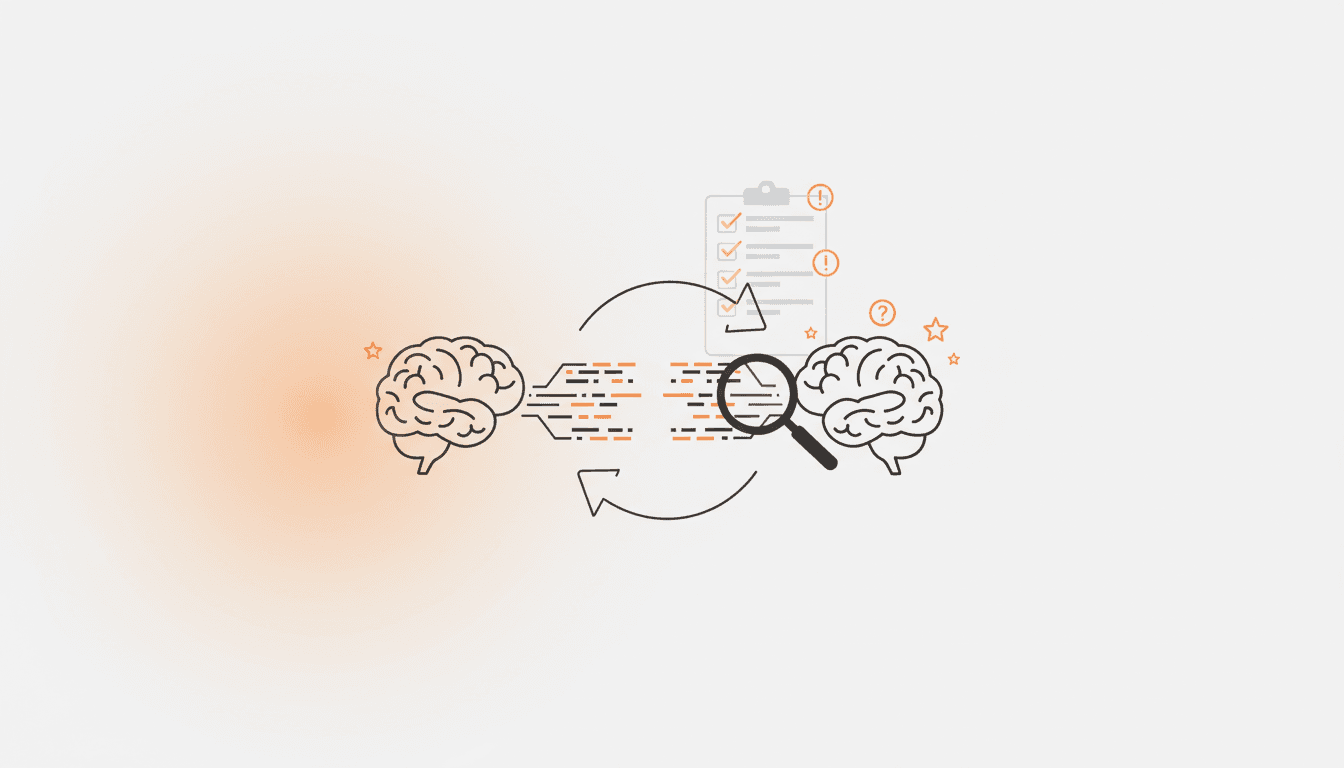
Just because AI wrote the code doesn't mean you're done. Adding a self-review process significantly improves code quality.
The Power of Self-Critique
When you ask AI to review its generated code:
- Discover Edge Cases: Identify easily-missed exception scenarios
- Performance Improvements: Optimize inefficient logic
- Security Vulnerabilities: Identify potential security issues
Effective Review Prompts
Critically review the code you just wrote from these perspectives:
1. Performance: Bottlenecks or inefficient sections
2. Security: Potential vulnerabilities
3. Maintainability: Hard-to-read or overly complex logic
4. Testing: Edge cases or missing test scenarios
This meta-cognitive approach elevates AI output quality to the next level. Don't settle for a single generation—use AI as its own reviewer.
3. Build a Harness: Automated Verification Systems
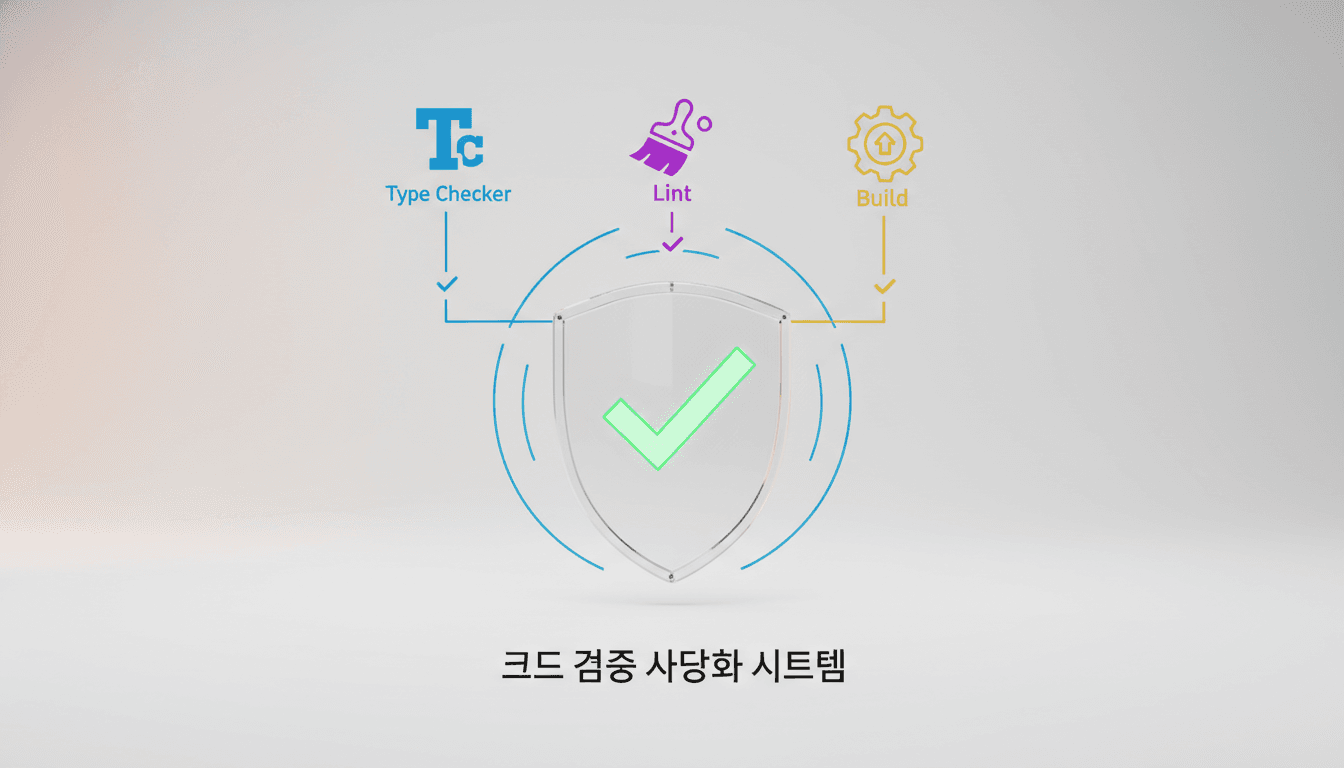
The most reliable way to verify that AI-generated code actually works is to build an automated verification system.
What is a Harness?
A harness is a safety net that automatically verifies code meets basic quality standards:
- Type Checker: Verify type safety with TypeScript
- Linter: Check code style and potential errors with ESLint, Prettier
- Build System: Confirm structural integrity through successful builds
- Test Suite: Verify behavior with unit/integration tests
Practical Application
# Add validation script to package.json
{
  "scripts": {
    "validate": "pnpm typecheck && pnpm lint && pnpm test && pnpm build"
  }
}
Instruct AI to run this validation every time it modifies code. When issues arise, create a feedback loop where AI self-corrects.
An automated harness is a safety net that catches AI mistakes immediately. This dramatically reduces debugging time.
4. Use Only 80% of Your Context Size
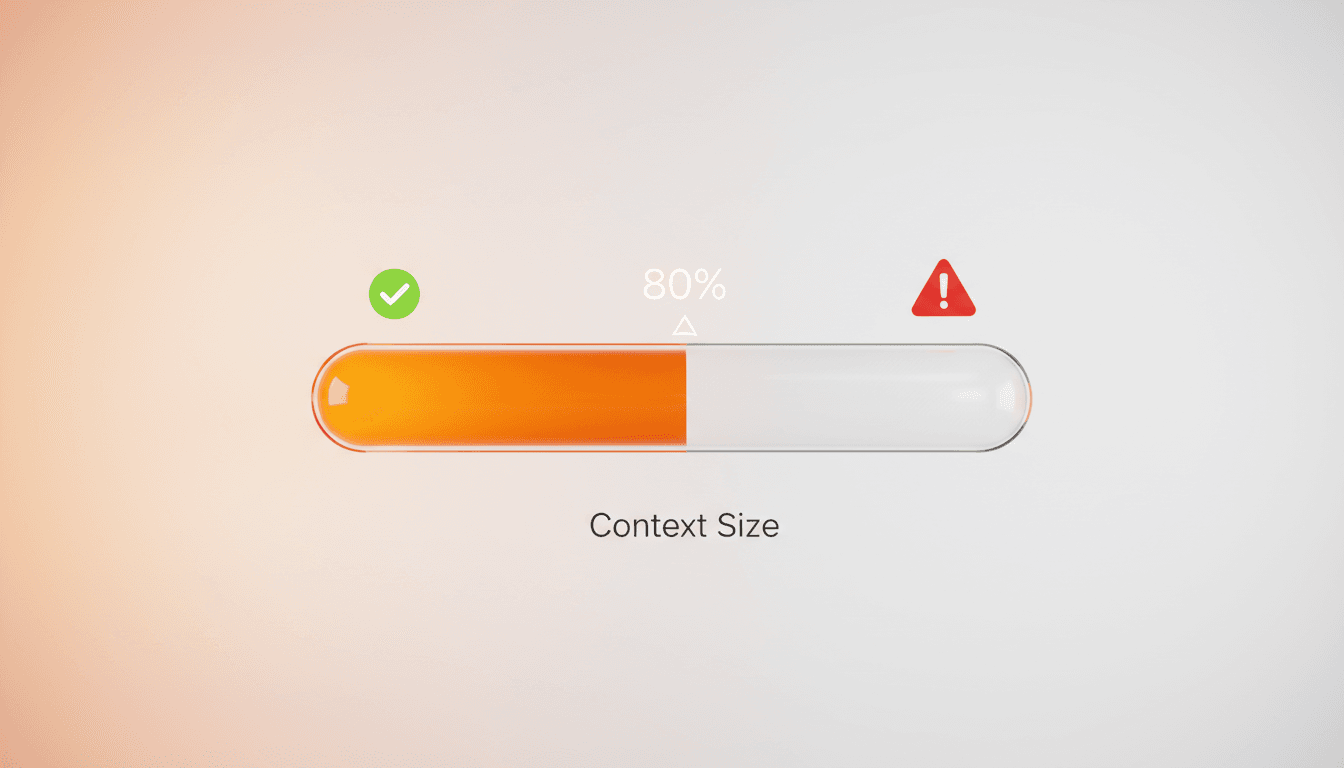
No matter how large an AI model's context window is, never fill it to 100%. Context rot occurs when you do.
What is Context Rot?
When context fills up:
- Early Information Loss: Important initial instructions get diluted
- Consistency Issues: Conflicts between recent and early information
- Performance Degradation: Reduced token processing efficiency
The 80% Rule
Keeping context usage below 80%:
- Preserves important initial instructions
- Allows AI to stably understand the full context
- Leaves room for adding new information
Practical Strategies
- Split Conversations: Break large tasks into multiple sessions
- Use Summaries: Request mid-conversation summaries for long discussions
- Remove Unnecessary Context: Clean up debug logs and repeated information
Context requires quality management. Focus on maintaining only essential information rather than filling it up.
5. Use Various Tools to Optimize Token Consumption
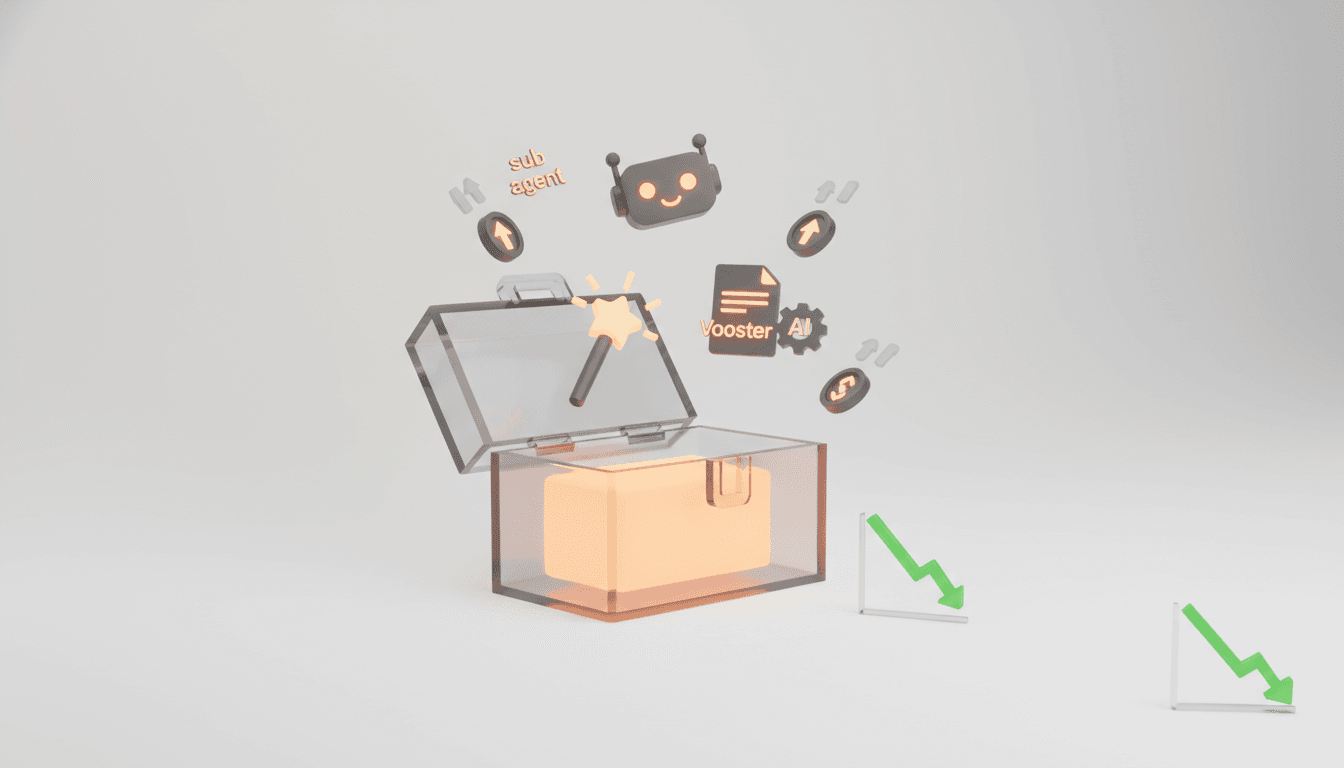
Most vibe coding costs come from token consumption. Efficient tools can significantly reduce costs.
Recommended Tools
1. Sub Agents
Split complex tasks into multiple smaller agents. Each agent focuses on a specific role, reducing unnecessary context.
2. Serena MCP
Efficiently manage context using the Model Context Protocol. Dynamically load only needed information to prevent token waste.
3. Vooster AI MCP
The most powerful token optimization tool. Vooster AI provides:
- AI PRD Wizard: Automatically generates optimized PRDs
- Automatic Task Decomposition: Breaks large tasks into efficient units
- MCP Integration: Direct integration with AI coding tools like Cursor to minimize token consumption
Vooster AI systematically structures work from the planning stage, preventing unnecessary trial-and-error and token waste at the source.
Tool Selection Criteria
- Choose tools appropriate for project scale
- Consider compatibility with team workflows
- Weigh token savings vs. learning curve trade-offs
Maximizing the Potential of Vibe Coding
Let's summarize the 5 techniques introduced:
- Write Detailed Plan Documents - Provide clear direction
- AI Self-Review - Leverage meta-cognition for quality improvement
- Build a Harness - Ensure safety through automated verification
- 80% Context Rule - Prevent context rot
- Use Optimization Tools - Reduce token consumption
Following these techniques in your vibe coding will unlock the true potential of AI coding agents.
Vooster AI is specifically designed to naturally apply all these techniques. It automatically generates detailed PRDs, efficiently decomposes tasks, and significantly saves tokens through MCP integration.
From idea to execution, AI accompanies you every step. Good code starts with good planning.
Start your systematic vibe coding journey with Vooster AI today!
Start Structured Vibe Coding with Vooster
From PRD generation to technical design and task creation - AI helps you every step. Start free today.
PRD Generation
Auto-generate detailed requirements
Technical Design
Implementation plan & architecture
Task Generation
Auto-break down & manage dev tasks
No credit card required · Full access to all features
Related Posts
What is Vibe Coding? The Future of AI-Powered Development in 2025
Discover vibe coding: the revolutionary AI-powered development approach. Learn 3 essential rules, real success stories, and how to build better products faster.
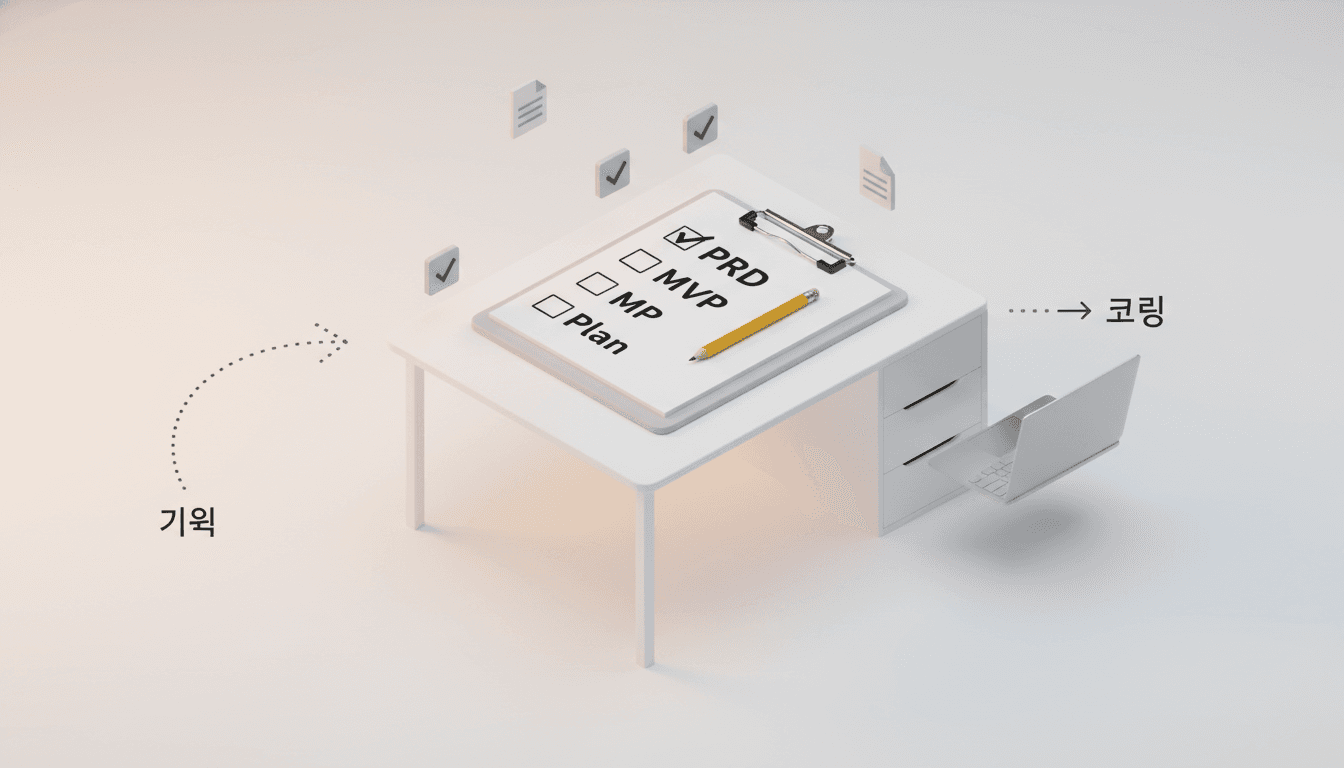
The Real Trap of Vibe Coding - It's Not About Coding, It's About Planning
Why your AI coding projects fail: Learn why proper planning and PRD creation are more important than coding skills in vibe coding success.
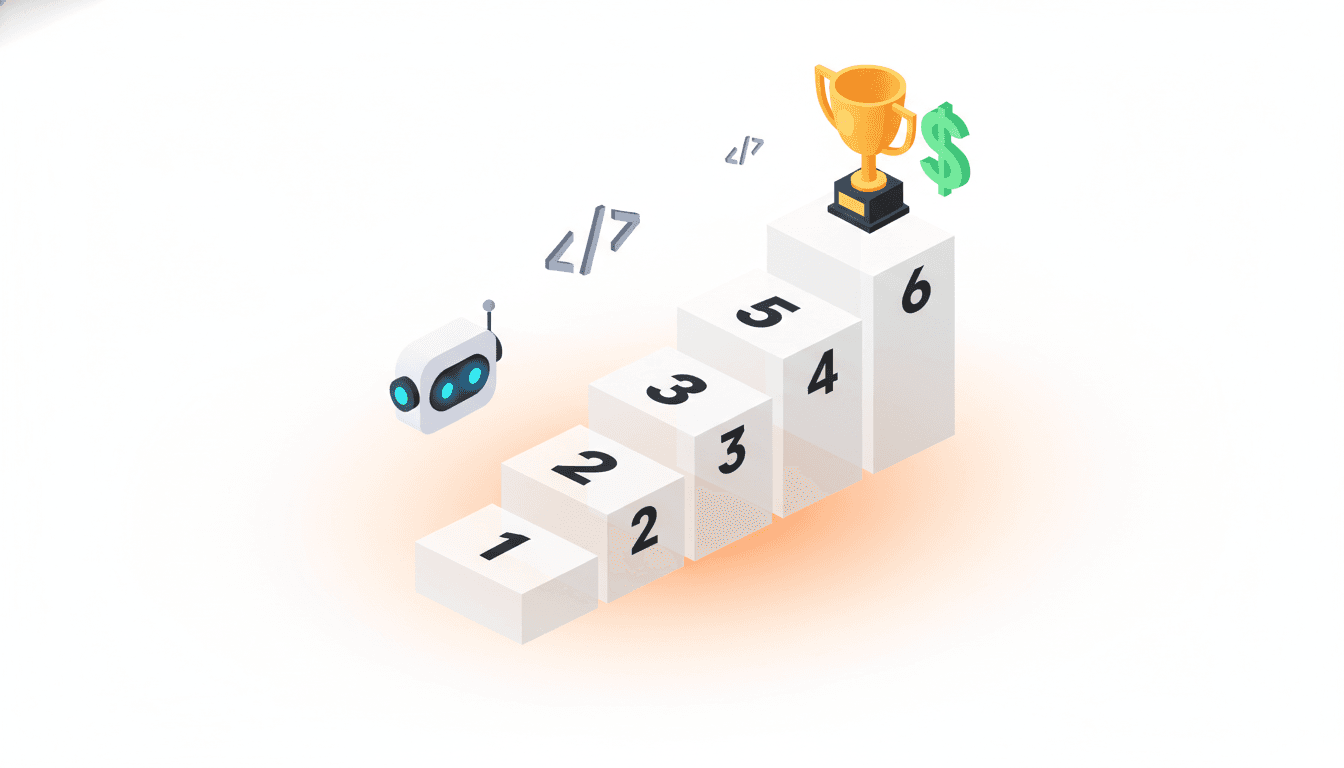
6 Levels of Building PROFITABLE Software (Beginner to God Mode)
Learn the 6 levels of building profitable software, from hiring developers to AI agent collaboration. Find your level and start earning with vibe coding.