
What is Vibe Coding? The Future of AI-Powered Development in 2025
Discover vibe coding: the revolutionary AI-powered development approach. Learn 3 essential rules, real success stories, and how to build better products faster.
Introduction
Are you using AI coding tools? Have you ever experienced how tools like Cursor, GitHub Copilot, and v0 generate code instantly, yet your projects become increasingly complex and difficult to manage?
In March 2025, a new concept emerged in the programming world: Vibe Coding. This goes beyond simply having AI write code—it represents a completely new development approach where developers collaborate with AI based on 'vibes' and intuition.
This article explores what vibe coding is, how to practice it, and the essential principles you must know for successful vibe coding.
Defining Vibe Coding: Develop with Intuition, Forget the Code
Vibe coding is a term coined by Andrey, meaning "developing by completely immersing yourself in intuition and vibes, forgetting that code even exists." This is a fundamentally different approach from traditional coding methods.
Coding vs Programming: What's the Difference?
Many people confuse them, but coding and programming are distinctly different.
Coding is the skill of converting logic into instructions that computers can understand. It focuses on the act of typing code itself. Current Large Language Models (LLMs) can already write code faster and more accurately than skilled programmers.
On the other hand, Programming is a much broader skill that combines art and science. It encompasses the entire process of defining problems, designing optimal solutions, and building maintainable systems. In fact, great programmers spend more time removing unnecessary code than writing it.
Vibe coding integrates both. AI handles the coding, while developers focus on the essence of programming: problem-solving and decision-making.
The Core Philosophy of Vibe Coding
The essence of vibe coding is the transformation of the developer's role. You need to think like a Product Manager rather than a coder. Instead of asking AI "How should I write this code?", focus on "What should we build, and why is this important?"
3 Essential Rules for Successful Vibe Coding
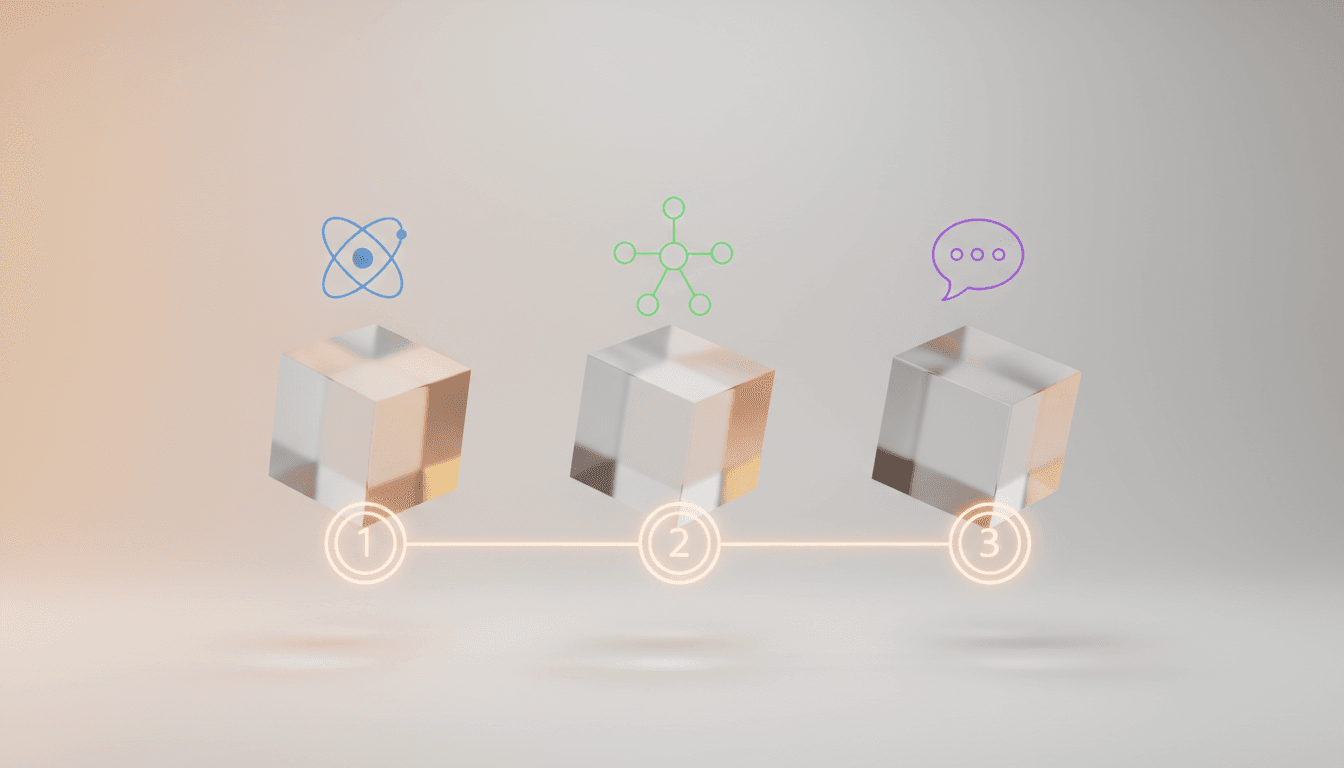
To properly leverage vibe coding, you must follow these three rules.
1. Choose Popular and Simple Tech Stacks
AI models handle technologies they've been extensively exposed to in training data much better. Therefore, choosing popular tech stacks like these is advantageous:
- Frontend: React, Next.js, Tailwind CSS
- Backend: Express.js, Node.js, Deno
- State Management: Redux, Zustand
- Database: PostgreSQL, MongoDB
For example, choosing React instead of a new meta-framework or experimental library results in AI generating more accurate and stable code. This is because AI has learned from millions of React code examples.
2. Master Git
This is an absolutely non-negotiable rule. If you grant AI permission to delete code, recovery is nearly impossible without version control.
Essential Git workflows for vibe coding:
- Create branches before developing new features
- Commit frequently in small units
- Review AI-generated code changes immediately
- Quickly rollback to previous states when problems occur
Attempting vibe coding without mastering Git is like driving on a highway without a seatbelt.
3. Consider What You Can Do for AI
This is the most important mindset shift. Instead of asking "What can AI do for me?", you should ask "What can I provide for AI?"
AI needs clear context and specific requirements.
Bad Example: "Create a login feature"
Good Example: "Create an email and password-based login feature. Use JWT token approach, hash passwords with bcrypt. Return 'Invalid credentials' error on login failure, and return both user object and token on success."
The more specific and clear you are, the more accurate results AI provides.
Real-World Cases: Success and Failure in Vibe Coding

Success Story: Peter Levels' Game Development
Peter Levels developed a simple game in JavaScript and generated substantial revenue. His success secrets:
- Simple and proven tech stack (vanilla JavaScript)
- Clear product vision
- Requesting small feature units from AI
- Continuous testing and improvement
He chose basic JavaScript instead of complex frameworks, which was the language AI knew best. As a result, he achieved both rapid development and high code quality simultaneously.
Failure Case: SaaS Product Halted Due to Security Issues
One developer quickly built a SaaS product with vibe coding but faced serious problems:
- API keys being excessively used
- Security vulnerabilities allowing subscription payment bypass
- Eventually had to shut down the app
The cause of failure was clear. They only made vague requests to AI like "Add security features" without providing specific security requirements. They also deployed without properly reviewing the generated code.
How to Solve Complex Requirements
To implement complex features with vibe coding:
-
Break Down into Small Steps: Instead of "payment system," divide it into "Stripe API integration → Create subscription plans → Payment validation logic → Webhook handling."
-
Provide Proper Context: Clearly inform AI about existing code structure, libraries in use, and data schemas.
-
Guide Deterministic Operation: Instead of "Make it creative," request "Implement exactly this way."
Conclusion
Vibe coding is not just a trend—it's becoming the new standard for development in the AI era. However, for successful vibe coding, you must not forget these three core principles:
- Choose proven tech stacks
- Thorough version control through Git
- Clear requirement definition for AI
Most importantly, the developer's role is transforming from coder to Product Manager. Good code starts with good planning. The true value of vibe coding is not rapid code generation, but the ability to focus on strategic thinking to build better products.
This is exactly why you need Vooster AI. Vooster AI is an AI PM agent for vibe coding that automatically converts ideas into PRDs (Product Requirements Documents), breaks them down into development tasks, and integrates directly with AI coding tools like Cursor. Before AI writes code, Vooster AI clearly defines what needs to be built.
With simple and efficient workflows instead of complex processes, unlock the true potential of vibe coding.
Start your systematic vibe coding journey with Vooster AI today!
Start Structured Vibe Coding with Vooster
From PRD generation to technical design and task creation - AI helps you every step. Start free today.
PRD Generation
Auto-generate detailed requirements
Technical Design
Implementation plan & architecture
Task Generation
Auto-break down & manage dev tasks
No credit card required · Full access to all features
Related Posts
The Real Role of Developers in the AI Era: From Coding to Prompt Planning
AI writes code, but developers guide it. Learn the 3 core skills for AI-era developers: domain understanding, codebase knowledge, and prompt planning.
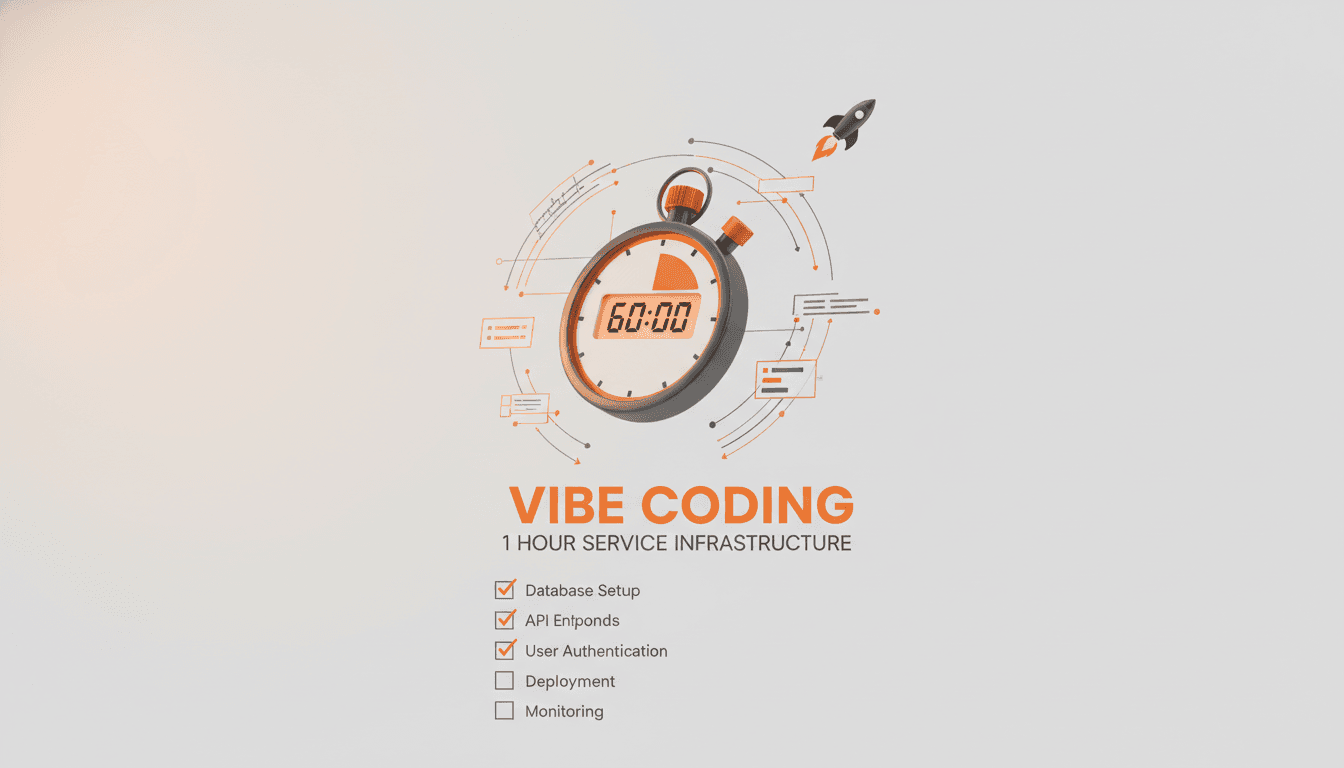
Building a Service Foundation in 1 Hour - Real-World Vibe Coding
Learn how proper architecture and AI-powered planning can help you build a complete service foundation in just 60 minutes with vibe coding.
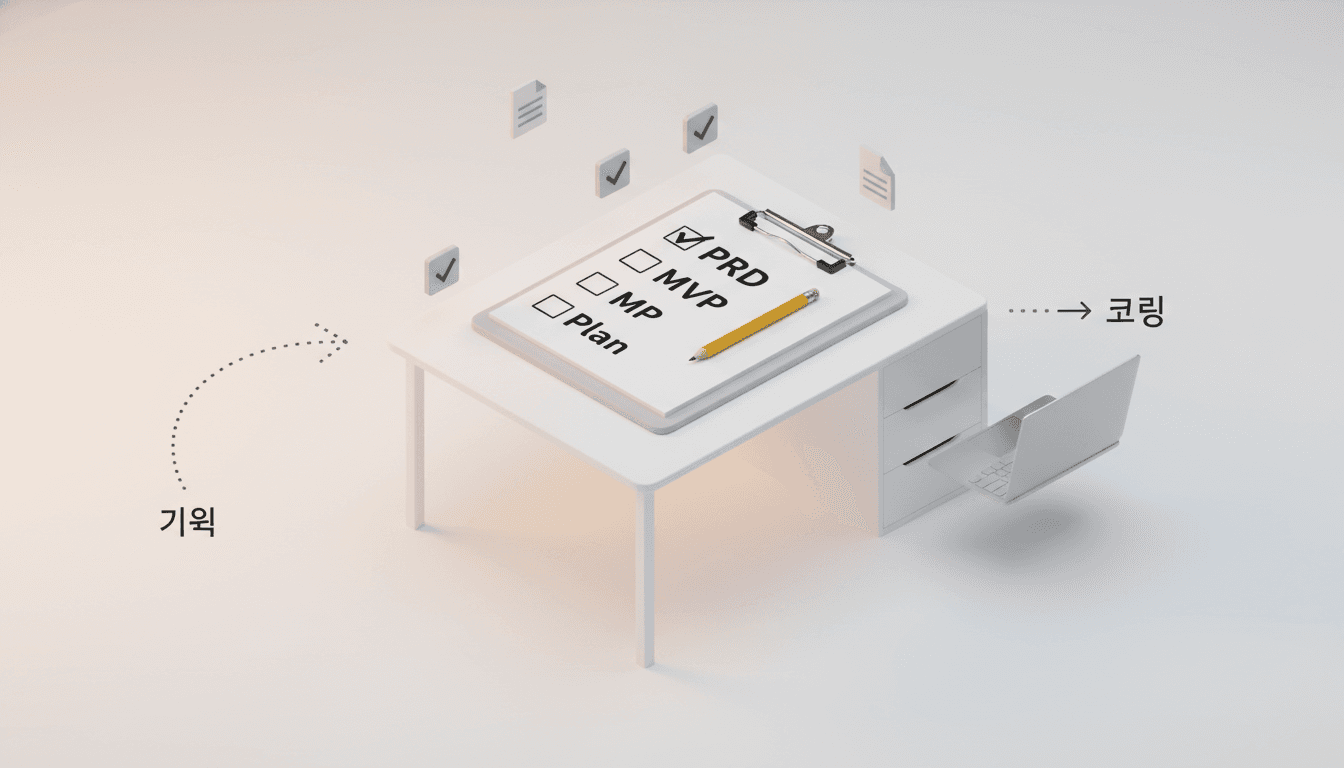
The Real Trap of Vibe Coding - It's Not About Coding, It's About Planning
Why your AI coding projects fail: Learn why proper planning and PRD creation are more important than coding skills in vibe coding success.